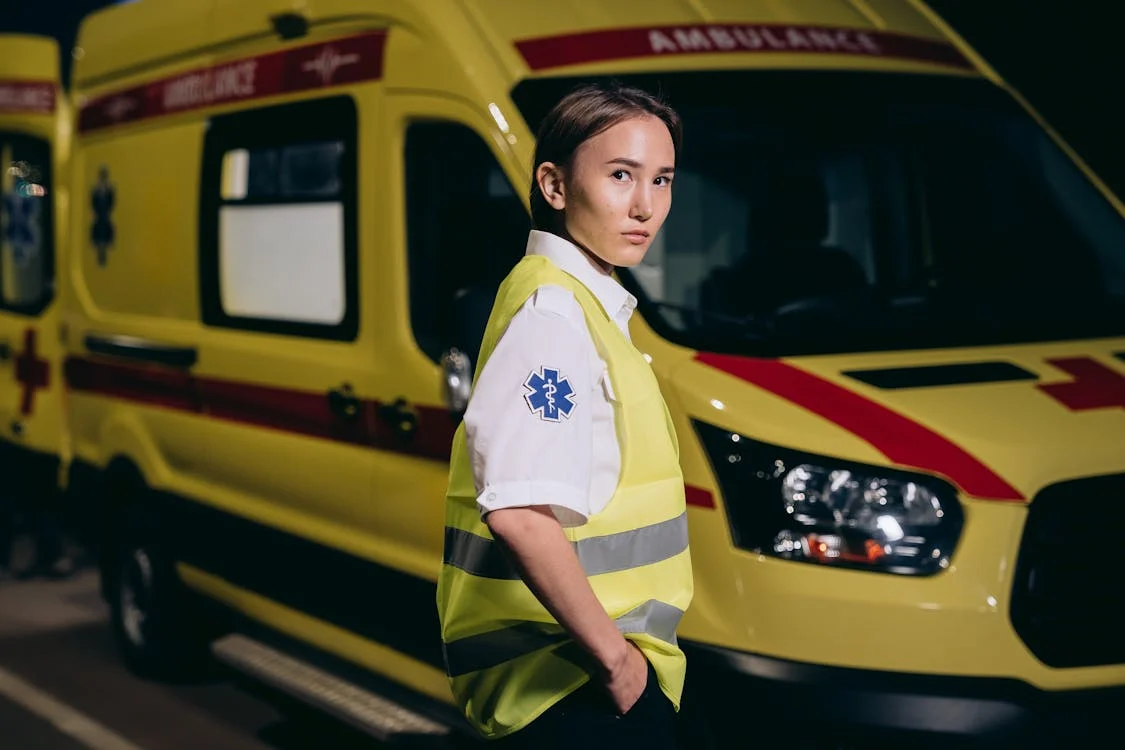
In today’s article, we will explore the benefits of Single-Session Therapy following major traumatic events.
This topic was previously addressed in an article in which, through the description of a clinical case involving a woman who experienced the 2010 Haiti earthquake, it was possible to observe how the Single-Session Therapy approach can be effectively applied in post-disaster intervention (Guthrie, 2016).
In this article, however, we will explore in greater depth the benefits of implementing Single-Session Therapy services in the event of disasters, such as earthquakes, hurricanes, and shipwrecks.
What is the general situation of mental health services following disasters?
To answer this question, we first need to distinguish between post-disaster mental health interventions provided in high-income countries and those available in low- and middle-income countries.
When a disaster occurs in a high-income country, mental health professionals will generally meet with survivors at least once. On that occasion, after providing initial psychosocial interventions, the person is referred to local mental health services for follow-up or to undertake a specific course of treatment based on their needs.
What happens when disasters occur in low- and middle-income countries?
When disasters occur in low- and middle-income countries, access to follow-up appointments and treatment for problems resulting from the disaster may be unavailable or severely limited.
What are the barriers to accessing mental health services?
The main barriers to accessing different types of intervention may include underdeveloped and under-resourced primary and secondary care services, damage to healthcare infrastructure, and the limited availability of healthcare professionals.
What consequences can this situation have?
Following disasters, survivors face the difficult task of rebuilding their lives and communities.
Many people feel that their own lives and those of their loved ones have been seriously threatened. Others experience the death of family members and significant people in their lives. Entire communities may also suffer extensive destruction of their infrastructure.
Whether the event is a natural disaster or another type of catastrophe, both witnesses and survivors may experience fear and anxiety about the future.
Failing to receive the support needed to overcome the trauma they have experienced can contribute to the development of more serious psychological difficulties and prolong suffering.
Why are post-disaster mental health interventions important?
As research into the effects of disasters on mental health has evolved, researchers have emphasized that all individuals affected by the psychological impact of a disaster experience some level of distress (Galea, Nandi & Vlahov, 2005; Green, 1998; Norris, Friedman & Watson, 2002a; Norris, Friedman, Watson, Byrne, Diaz & Kanisty, 2002; Nord, 2007; Rubonis & Bickman, 1991).
Research has found broad agreement that, following disasters, mental health services should be integrated with emergency and medical interventions in order to identify mental health needs, provide triage, refer individuals to appropriate services, and deliver direct intervention.
How are interventions managed in high-income countries?
In high-income countries, post-disaster mental health interventions may include Psychological First Aid (PFA), psychological debriefing in the form of Critical Incident Stress Debriefing (CISD), and Crisis Intervention (CI).
These interventions are intended to provide early support to address emotional distress, offer emotional reassurance and support recovery, and connect individuals with services capable of meeting their immediate needs.
In low- and middle-income countries, however, access to these interventions may be limited due to scarce healthcare resources and damaged infrastructure. This means that many survivors may not receive the support they need to cope with the psychological consequences of a disaster.
How can Single-Session Therapy be an advantage in these circumstances?
- Single-Session Therapy provides an accessible mental health intervention following a disaster when access to ongoing treatment or continuity of care is not available.
- The Single-Session Therapy approach builds on and enhances the existing clinical and psychotherapeutic skills of professionals.
- The SST method ensures that clients leave the single session with a specific action plan.
In SST, therapists and clients establish shared goals that make it possible to find or create responses that work within the clients’ lived experience, making the most of their innate capacity for self-healing.
SST focuses on problems as they occur in the present (Slive, McElheran & Lawson, 2008), within the context of clients’ lived experiences, relationships, and cultural communities. These are fundamental premises for establishing a collaborative relationship with the client.
Conclusion
In conclusion, differences in access to post-disaster mental health care between high-income and low- and middle-income countries can have a significant impact on survivors’ long-term recovery.
It is essential that the international community commits to strengthening healthcare systems and providing adequate resources to ensure that everyone affected by a disaster can access the mental health interventions they need, regardless of the country they come from.
Angelica Giannetti
Psychologist, Psychotherapist
Italian Center for Single Session Therapy Team
References
Cannistrà, F., & Piccirilli, F. (2018). Terapia a Seduta Singola: Principi e pratiche. Giunti Editore.
Galea, S., Nandi, A. & Vlahov, D. (2005). The epidemiology of post-traumatic stress disorder after disasters. Epidemiol Review, 27,78-91.
Green, B.L. (1998). Psychological responses to disasters: Conceptualization and identi¢cation of high-risk survivors. Psychiatry Clinical Neuroscience, 52(suppl), S67-S73.
Guthrie, B. (2016). Single Session Therapy as a framework for post disaster practice in low and middle income countries, Intervention 2016, Volume 14, Number 1, Page 18 – 32
Norris, F.H., Friedman, M.J. e Watson, P.J. (2002a). 60,000 disaster victims speak, part II: summary and implications of the disaster mental health research. Psychiatry, 65(3), 240-260.
Norris, F.H., Friedman, M.J.,Watson, P.J., Byrne, D.M., Diaz, E., & Kanisty, K. (2002b). 60,000 disaster victims speak, part I: an empirical review of the empirical literature, 1981-2001. Psychiatry, 65, 207-239.
North, C. S. e Pfe¡erbaum, B. (2013). Mental health response to community disasters: a systematic review. JAMA, 3(10), 507-518..
Rubonis, A.V. & Bickman, L. (1991). Psychological impairment in the wake of disaster: The disasterpsychopathology relationship. Psychol Bull, 109(3), 384-399.
Slive, A., McElheran, N. e Lawson, A. (2008). How brief does it get? Walk-in single session therapy, Journal of Systemic Therapies, 27, 5-22.
Talmon, M. (1990). Terapia a seduta singola: massimizzare l’effetto del primo (e spesso unico) incontro terapeutico. Jossey-Bass.