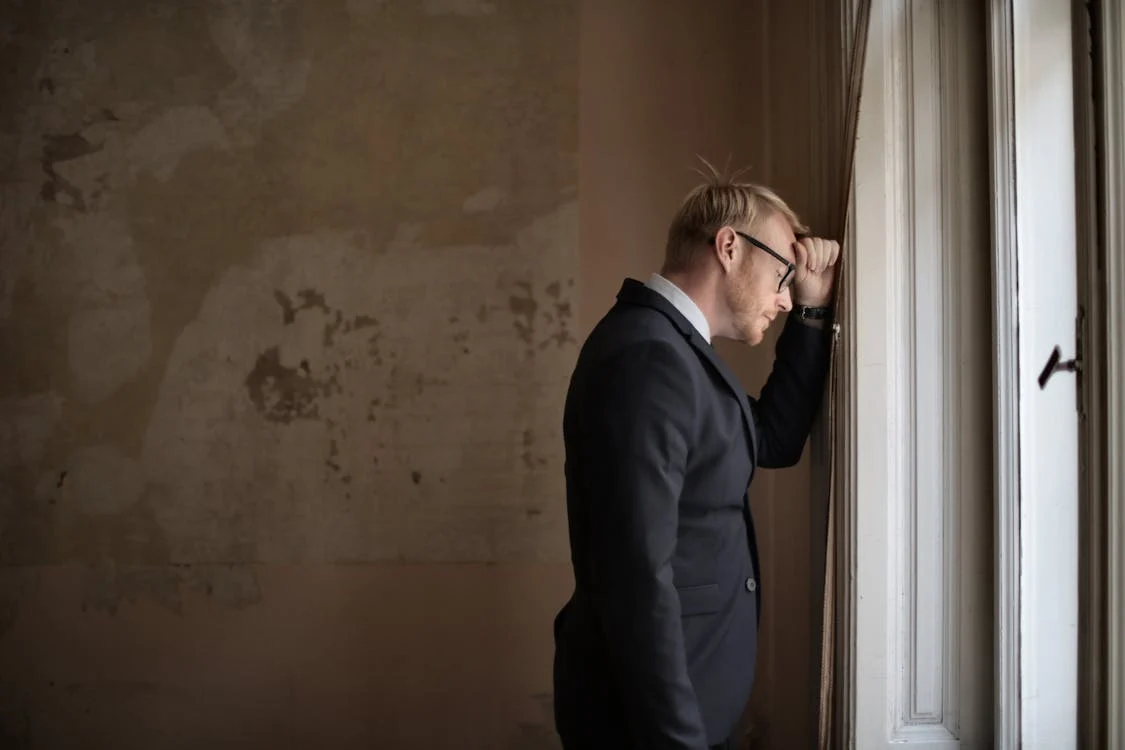
The aim of today’s article is to highlight the importance of having public and private services based on Single-Session Therapy available to respond to critical moments and psychological difficulties that can arise unexpectedly in people’s lives, or during periods when access to mental health services may be more difficult, such as the summer months or holiday periods.
Single-Session Therapy (SST) is an increasingly used intervention method, particularly effective during moments of personal crisis. In a world where time and resources are limited, this form of intervention offers a rapid and focused alternative for addressing urgent difficulties.
How does Single-Session Therapy work?
SST is a therapeutic approach in which the entire intervention takes place within a single session. It is not simply a scaled-down form of therapy or an initial consultation, but a genuine therapeutic intervention capable of providing meaningful support and, in some cases, fully resolving the problem presented by the client.
This type of intervention is particularly suitable for people experiencing a personal crisis, which may manifest in different ways: acute anxiety, stress, relationship difficulties, or important decisions that need to be made.
Such emergencies may also arise at times when people feel isolated or during periods when services are less accessible, such as holidays or the summer months.
When is it useful?
SST can be useful in situations of psychological, emotional, or relational emergency, or when a person feels the need for immediate support in dealing with a specific difficulty.
For example, it can be used in cases of:
- Anxiety crises: when anxiety becomes overwhelming and requires immediate intervention.
- Important decisions: when someone is faced with a crucial choice and needs greater clarity.
- Relationship difficulties: in situations involving arguments or tensions that require rapid intervention to prevent the situation from escalating.
- Work-related stress: to manage periods of intense work pressure that may affect psychological and physical well-being.
- Difficulty accessing mental health services: at certain times of the year, such as during the summer or holiday periods, accessing mental health services may be more difficult. SST can serve as a preventive intervention to reduce distress or as a starting point for further treatment when this is considered necessary.
How does it work?
During the single session, the therapist focuses on a specific problem and works collaboratively with the client to identify practical and immediate solutions.
The approach is direct and collaborative, with the aim of identifying the person’s resources and the strategies they can use to manage the situation.
One of the distinctive features of SST is that there is no obligation to continue with further sessions. The client can decide whether or not to continue with additional meetings. However, a single session is often sufficient to achieve significant improvement.
The benefits of SST
One of the main advantages of Single-Session Therapy is the speed with which intervention can take place during moments of crisis.
Because it does not require a long-term commitment, SST is also accessible to people who have limited time or resources. In addition, it offers a practical and concrete approach, focusing on immediate outcomes rather than on prolonged analysis of problems.
SST can also be particularly useful for people who are reluctant to undertake traditional therapy, as it minimizes the commitment involved and allows them to experience a therapeutic intervention on a limited basis, while often proving highly effective.
Conclusion
Single-Session Therapy represents a valid and innovative therapeutic option for people facing a personal crisis.
Its effectiveness, combined with the speed and practicality of the approach, makes it a valuable resource in a society where time is often limited, services are not always readily available, and crises can arise unexpectedly.
Angelica Giannetti
Psychologist, Psychotherapist
Italian Center for Single Session Therapy Team
References
Cannistrà, F., & Piccirilli, F. (2018). Terapia a Seduta Singola: Principi e pratiche. Giunti Editore.